Cameroon Launches Nationwide Coffee Capacity Building Programme to Advance Sustainable and Traceable Coffee Production
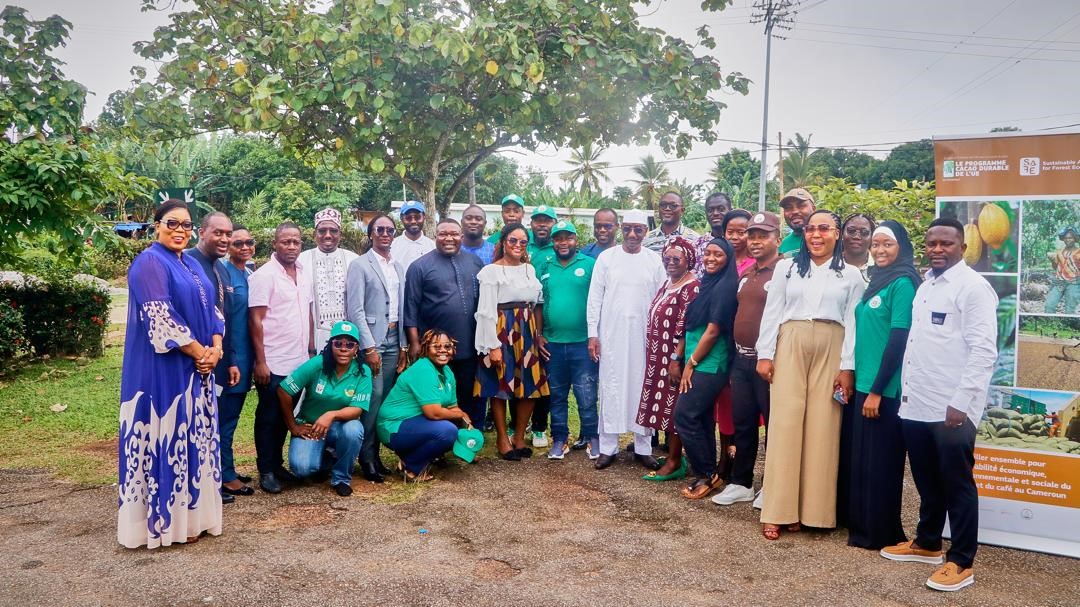
Cameroon has taken another important step towards strengthening the competitiveness of its coffee sector with the official launch of the Farmer Business School (FBS) Coffee Training of Trainers Programme, an initiative led by the National Cocoa and Coffee Board (NCCB) in partnership with the German Development Cooperation (GIZ) through the Sustainable Agriculture for Forest Ecosystems (SAFE) and Forest4Future (F4F) projects.
The programme officially commenced in Kribi, the first phase of a nationwide capacity-building initiative that will subsequently be rolled out in Melong, Baré-Bakem and Nkongsamba, extending its impact across Cameroon's major coffee-producing regions.
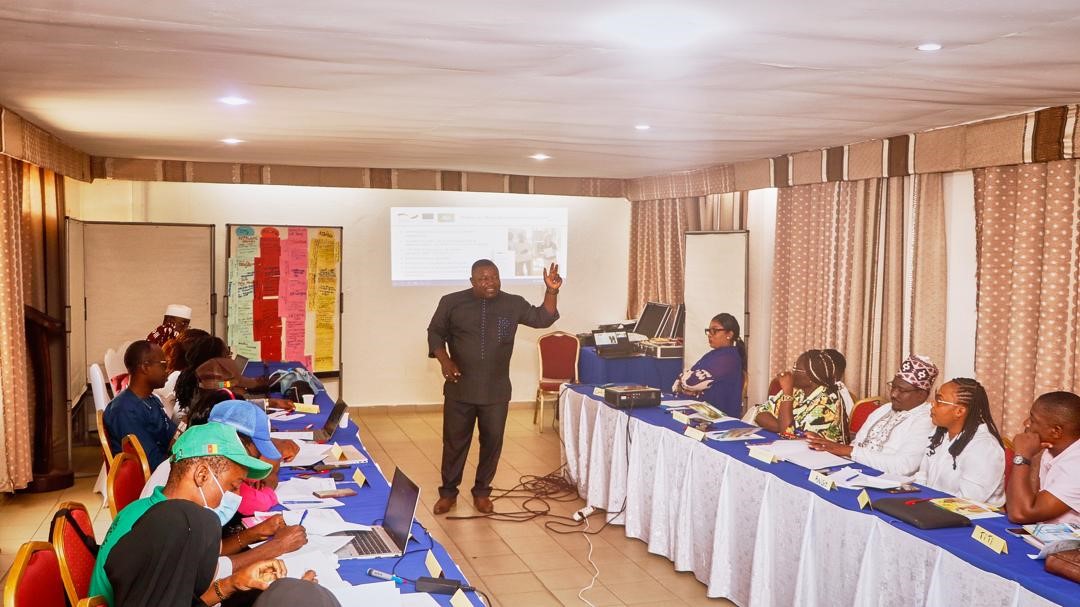
This pioneering initiative brings together trainers from the NCCB and the Coffee Sector Recovery Support Project (PARF-CAFE) to strengthen their capacity to support coffee producers with practical business management skills, sustainable agricultural practices and market-oriented production systems.
More than a technical training programme, the initiative represents another significant milestone in Cameroon's efforts to build a resilient, competitive and internationally compliant coffee value chain. It reflects the country's commitment to improving sustainability, strengthening traceability systems and preparing producers to meet the evolving requirements of global coffee markets.
The opening ceremony featured welcome remarks by Mrs. Lucienne Deudjui Epse Mengue, Technical Advisor of the SAFE Project, and Mrs. Philomène Charlie Mbosso, Value Chain Technical Advisor for the Forest4Future (F4F) Project, both implemented by GIZ in Cameroon. They underscored the importance of strong institutional partnerships in supporting coffee producers to respond to climate, economic and regulatory challenges while improving livelihoods and enhancing the long-term competitiveness of Cameroon's coffee sector.
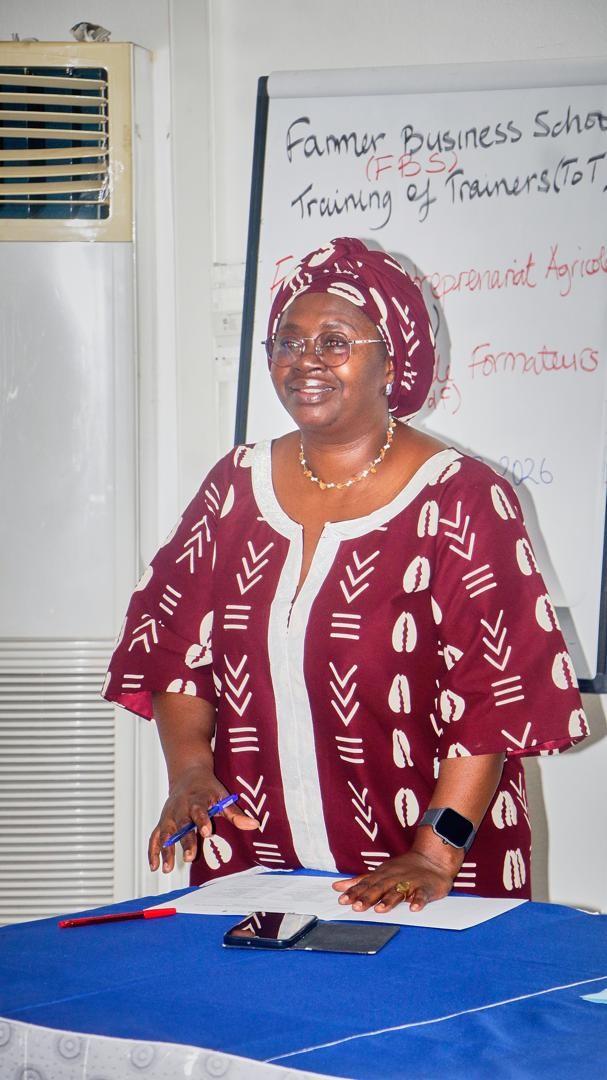
Officially opening the programme, Mr. Abdoulaye NANA, Deputy Director General of the National Cocoa and Coffee Board (NCCB), highlighted the strategic partnership between the NCCB and GIZ, which has been in place since 2015. He noted that this collaboration has already enabled the successful training of more than 8,000 cocoa producers, contributing to improved product quality, greater producer professionalism and the adoption of sustainable agricultural practices.

He expressed confidence that the same approach would contribute significantly to revitalising Cameroon's coffee sector and encouraged participants to become true agents of change by equipping coffee producers with the entrepreneurial mindset and technical knowledge required to build profitable, resilient and sustainable farming businesses.
Mr. Nana further emphasized the importance of preparing producers to respond to emerging international market requirements, particularly the European Union Deforestation Regulation (EUDR), which will become fully applicable in 2027. Strengthening farmers' capacity to comply with these evolving standards will play a key role in maintaining and expanding Cameroon's access to international markets.
Over the next eleven days, participants will complete an intensive programme combining theory, practical exercises, simulations and trainer evaluations. The curriculum covers a broad range of topics, including farm business management, financial planning, climate change, biodiversity conservation, agroforestry, nutrition, gender, youth and social inclusion, land tenure, producer organizations, financial services, investment planning, climate-smart agriculture, as well as monitoring and evaluation of extension activities.
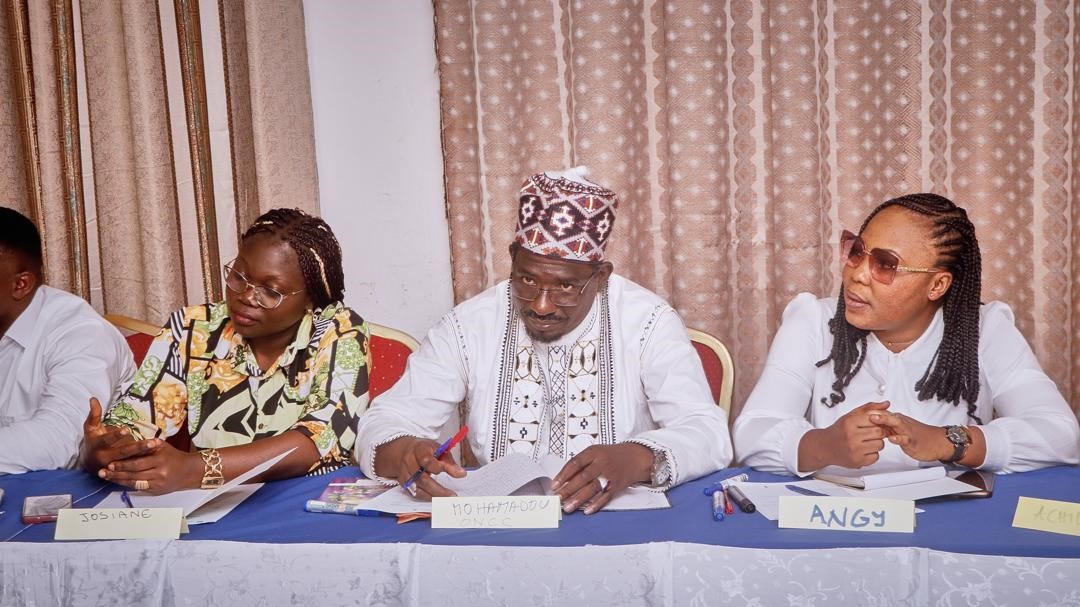
Particular emphasis will be placed on practical facilitation techniques, ensuring that participants are fully equipped to transfer knowledge effectively to coffee producers in their respective regions.
Beginning in Kribi and continuing through Melong, Baré-Bakem and Nkongsamba, the programme reflects the shared commitment of the ONCC, GIZ and their partners to strengthening technical capacity throughout Cameroon's coffee value chain. By bringing this training directly to coffee-producing regions, the initiative aims to accelerate the adoption of sustainable production practices, improve farm management, reinforce traceability systems and enhance the competitiveness of Cameroonian coffee on international markets.
As global buyers increasingly prioritize sustainability, transparency and responsible sourcing, this nationwide programme demonstrates Cameroon's determination to invest in the people, knowledge and systems required to produce high-quality, sustainable and fully traceable coffee for the world.