National Forum: Cameroon Reviews Its Preparedness for the EU Deforestation Regulation
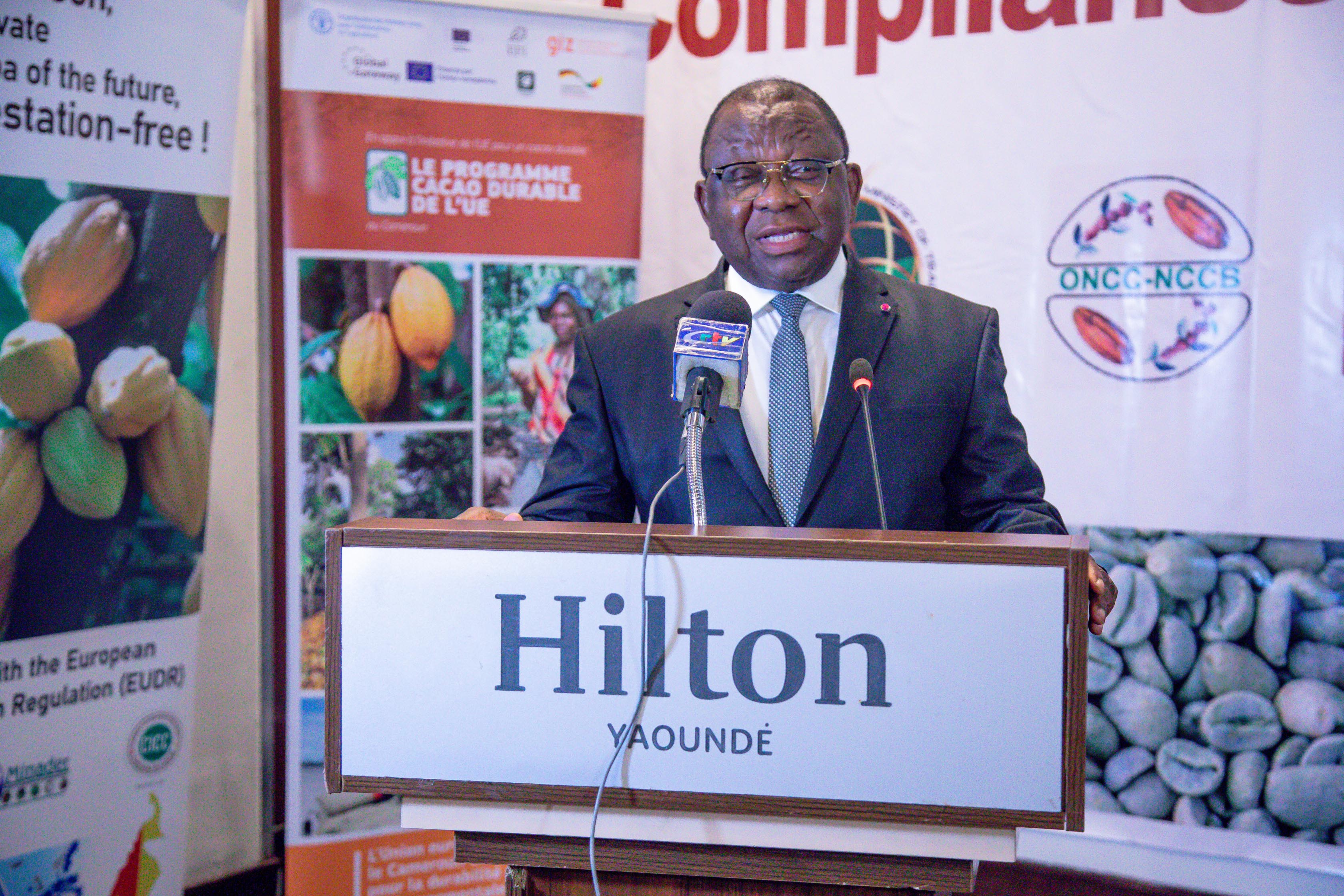
Yaounde, July 15, 2025 – Cameroon has reached a new milestone in its efforts to implement the European Union Deforestation Regulation (EUDR). A high-level national forum was held this Tuesday in Yaoundé, chaired by the Minister of Trade, Mr. Luc Magloire Mbarga Atangana, and attended by several members of the government, including Mrs. Marie Thérèse Abena Ondoa, Minister of Women’s Empowerment and the Family, Mr. Gabriel Mbaïrobe, Minister of Agriculture and Rural Development, and Mr. Jules Doret Ndongo, Minister of Forestry and Wildlife.
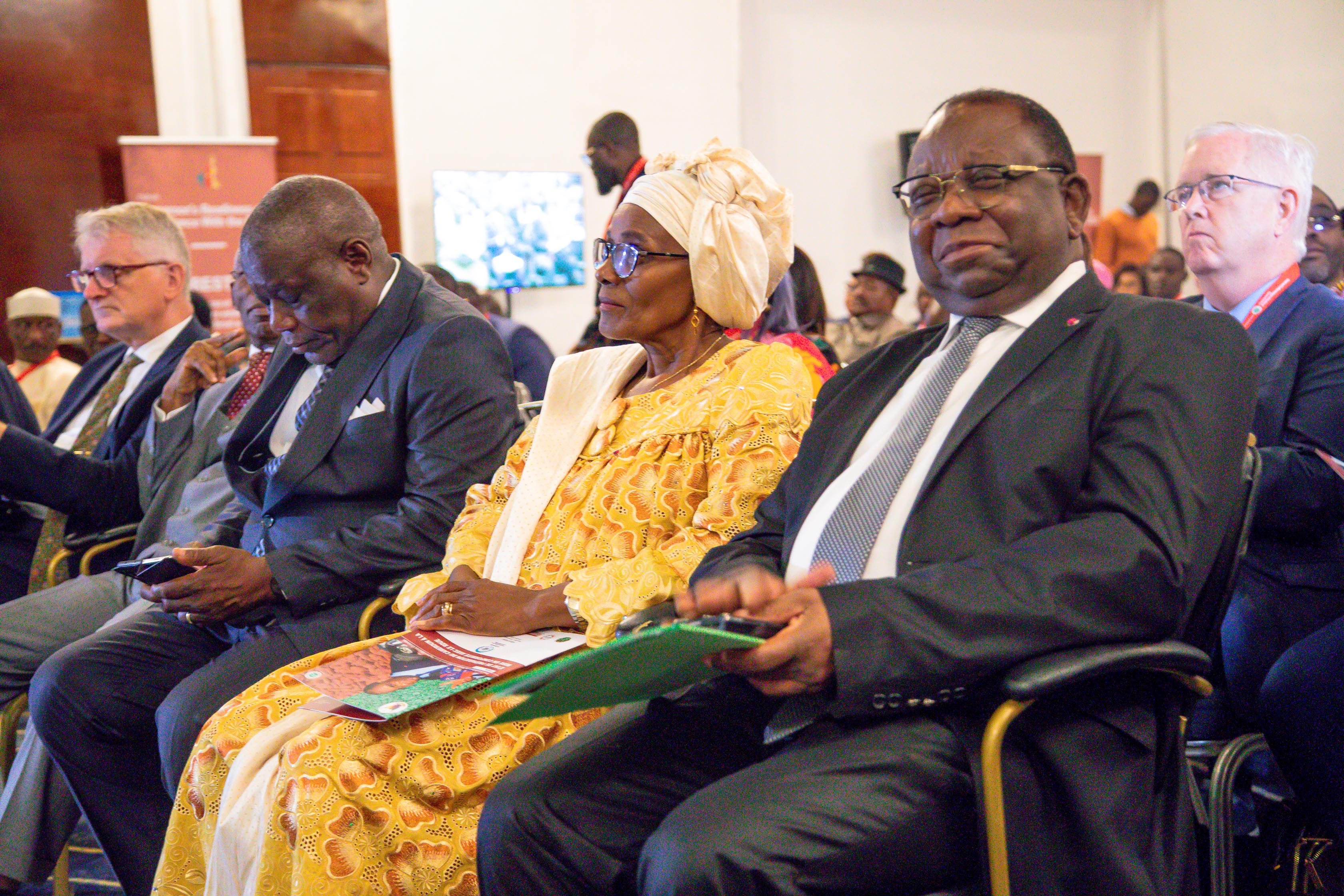
This strategic forum, organized by the Interprofessional Council for Cocoa and Coffee (CICC), aimed to assess the actions already undertaken by Cameroonian authorities, private sector actors, farmer organizations, and international partners to support producers and exporters in complying with the EUDR.
A Shared Commitment to Sustainable Value Chains
The EUDR, which came into effect in June 2023, requires that all products placed on the European market be free from deforestation or forest degradation as of December 30, 2024. This regulation particularly affects supply chains of agricultural commodities such as cocoa and coffee, of which Cameroon is a major exporter.
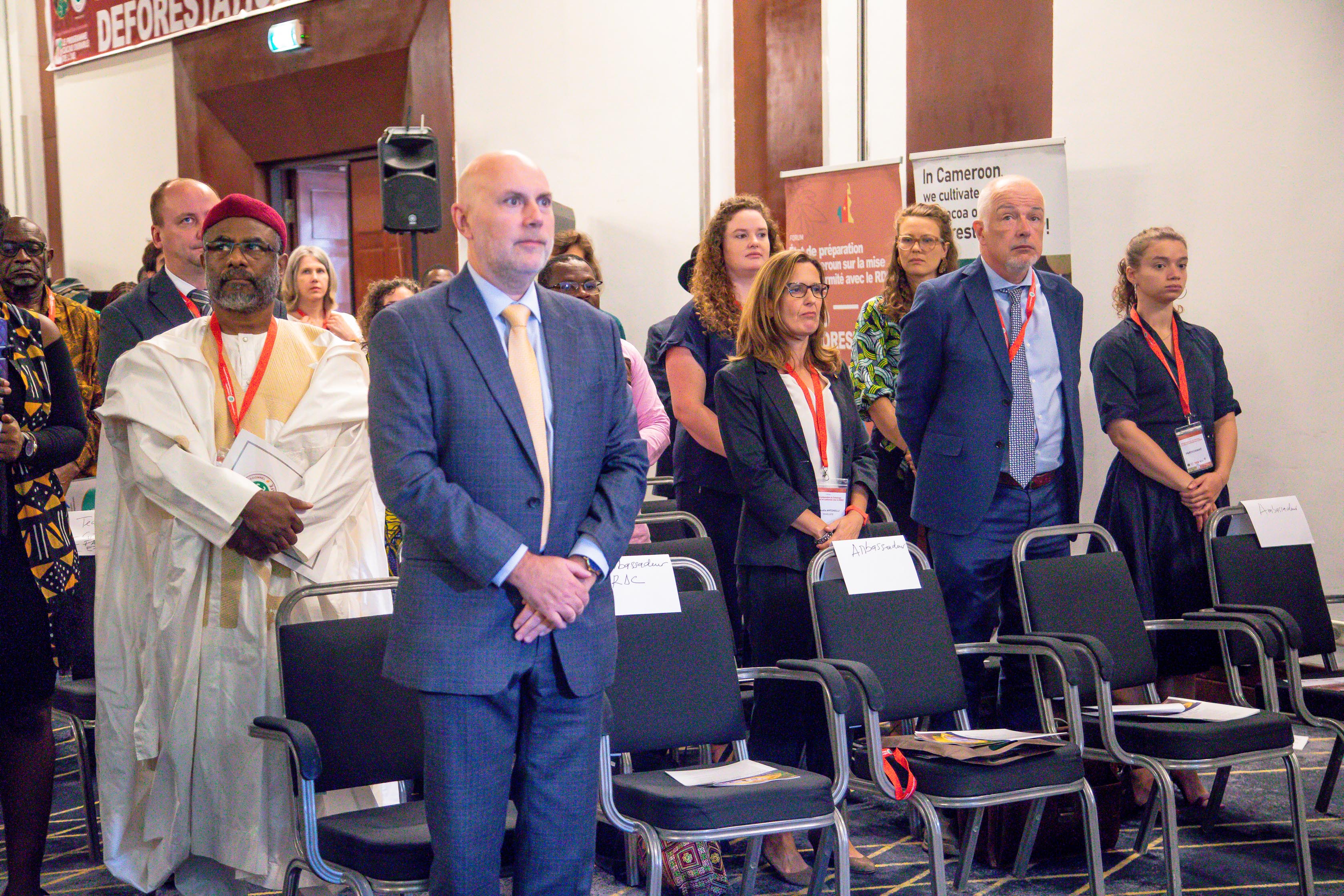
Importantly, while the regulation was initially set to apply from January 1, 2025, its full enforcement has now been postponed to January 1, 2026. This extension gives Cameroon and other producing countries additional time to finalize their preparations and ensure compliance with the new standards.
The forum’s agenda was structured around three key thematic sessions:
Panel 1: State of Preparedness in the Cocoa and Coffee Sectors
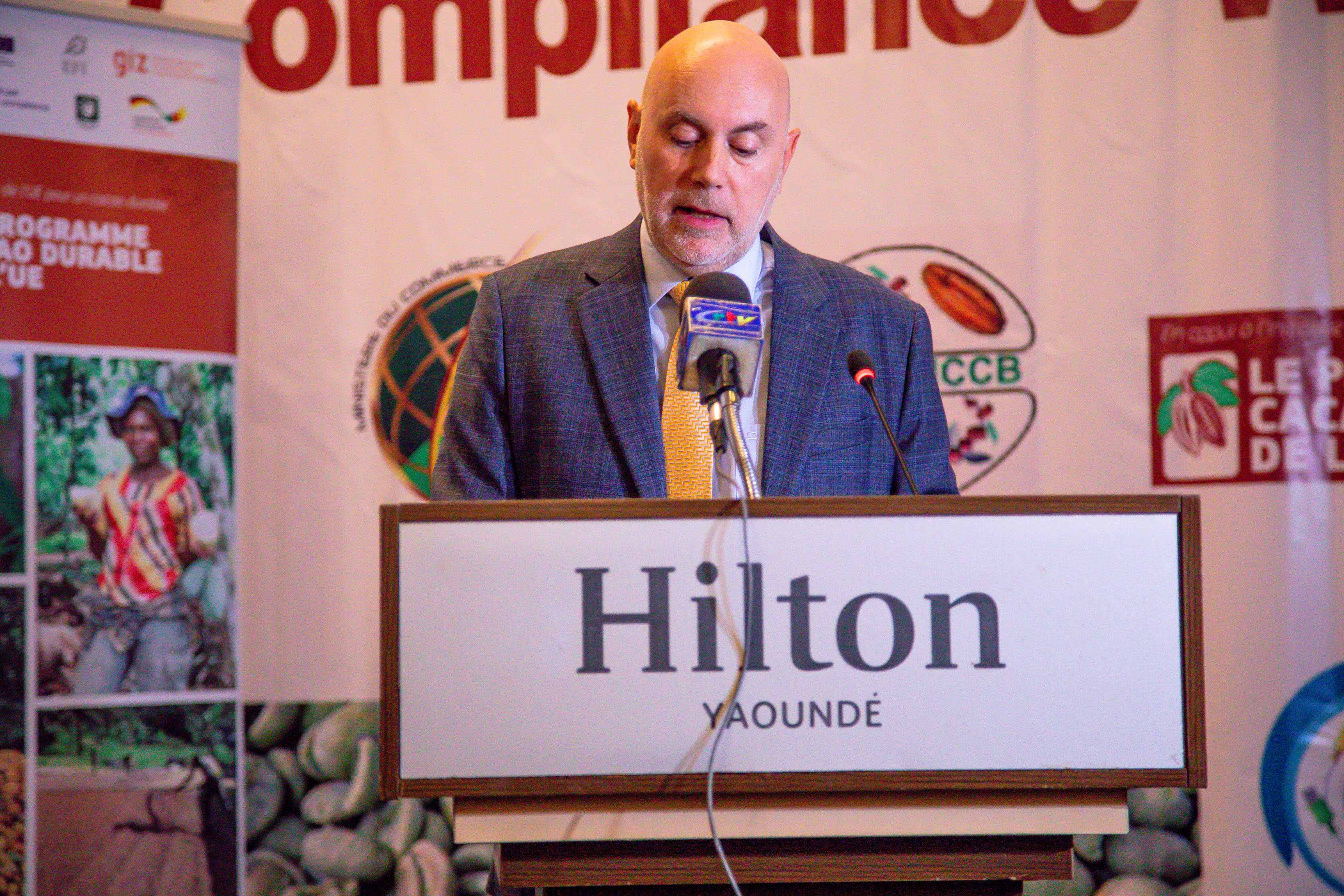
Moderated by Mr. Omer Maledy, Executive Secretary of the CICC, this first session reviewed the key requirements of the EUDR and highlighted:
- The methodology for assessing due diligence obligations for exporters;
- The importance of technical and institutional support for operators from developmdology for assessing due diligence obligations for exporters;
- The importance of technical and institutional support for operators from developmenent partners;
- The need for effective organization of the value chains around farm plot geolocation and product traceability.
Panel 2: Stakeholder Perspectives on Sector Preparedness
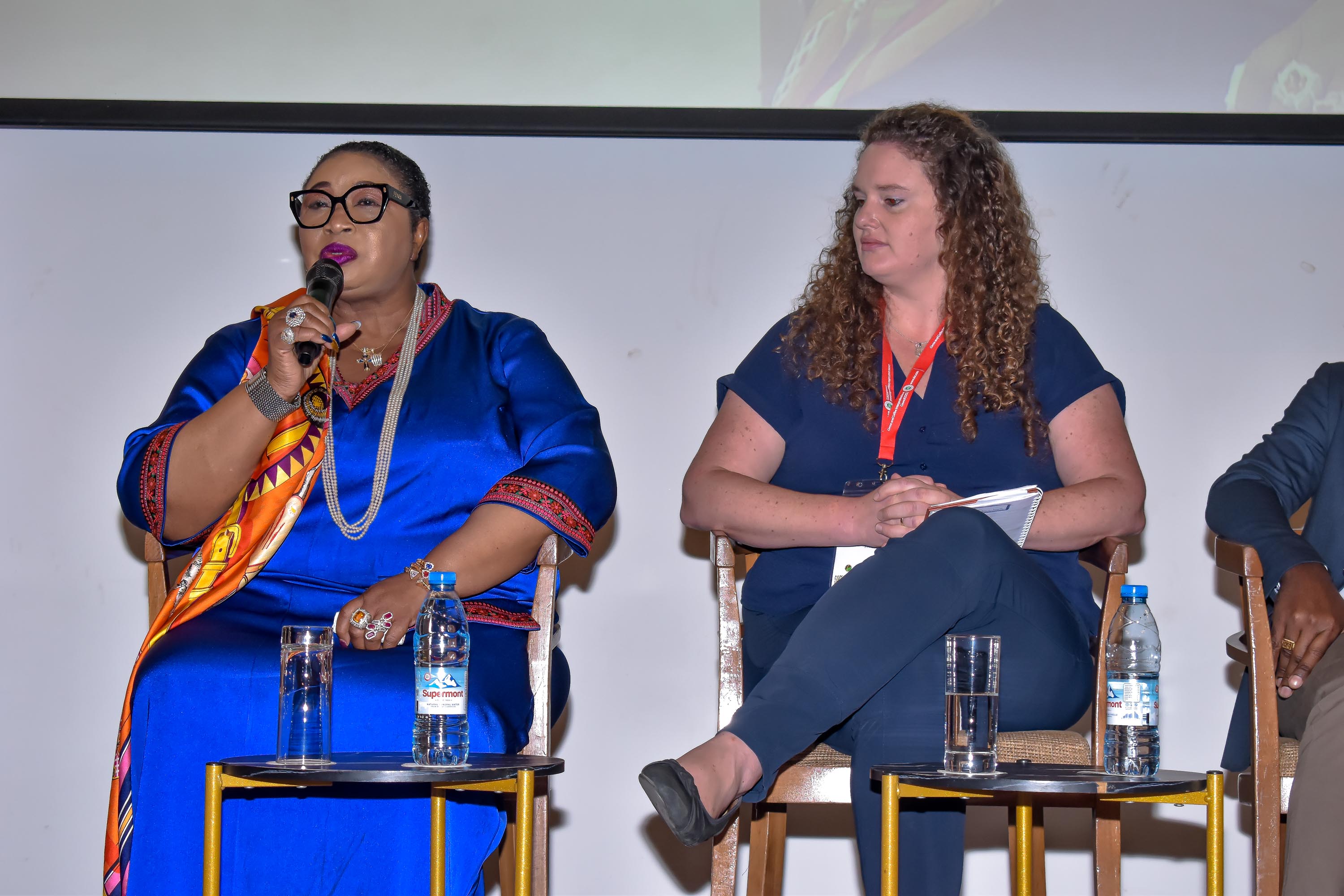
This session brought together experts and key institutional representatives including:
- Valérie Minlend (GIZ)
- Michael Ndoping (Director General, NCCB)
- Alain Daniel Evina (Permanent Secretary, GEX)
- Aurélie Shapiro (FAO)
- Kate Fotso (CEO, Telcar Cocoa Ltd)
- Dr. Narcisse Olinga (Ministry of Trade)
Discussions provided an opportunity to confront public institutions, technical partners, and private operators’ perspectives on the challenges ahead and the strategies needed to meet them.
Panel 3: Lessons Learned and Future Perspectives for Cameroonian Value Chains
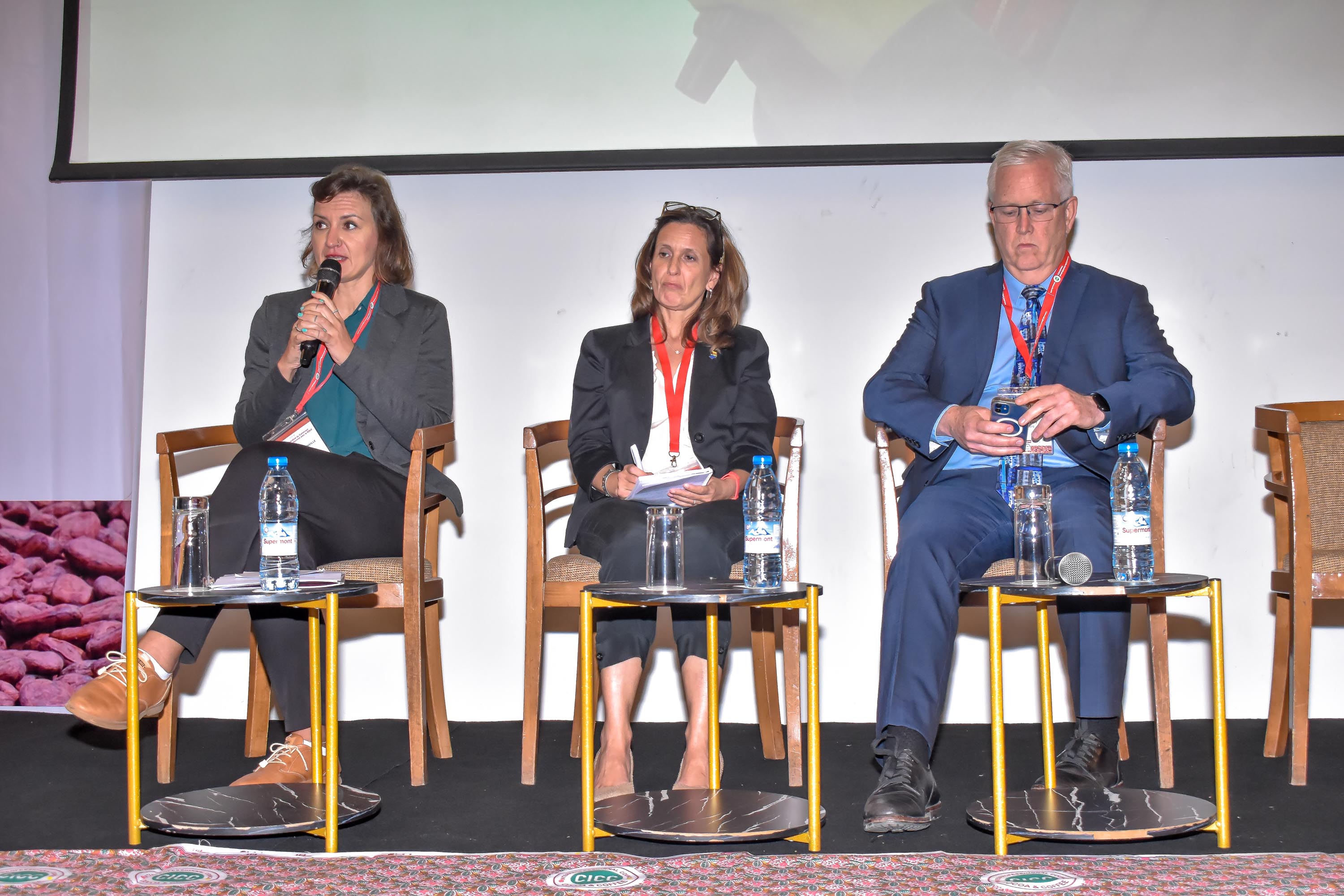
Chaired by: Adeline Dontenville (European Forest Institute), James Tefft (FAO) and Claudia Antonelli (Delegation of the European Union to Cameroon)
This session identified concrete pathways for action to strengthen the resilience and sustainability of Cameroon’s cocoa and coffee sectors in response to the evolving European market requirements.
The forum reaffirmed Cameroon’s commitment to preserving its position in the European market while promoting the responsible management of its forest resources.
All stakeholders agreed to continue consultations and harmonize efforts to build sustainable, traceable, and environmentally friendly agricultural value chains—especially in light of the extended timeline for EUDR enforcement, which offers a crucial window to consolidate efforts.